Heating · 4 min read
Radiator cold at the bottom? Check this before paying for a power flush
Sludge is the usual suspect, but not the only one. Here's how to tell.
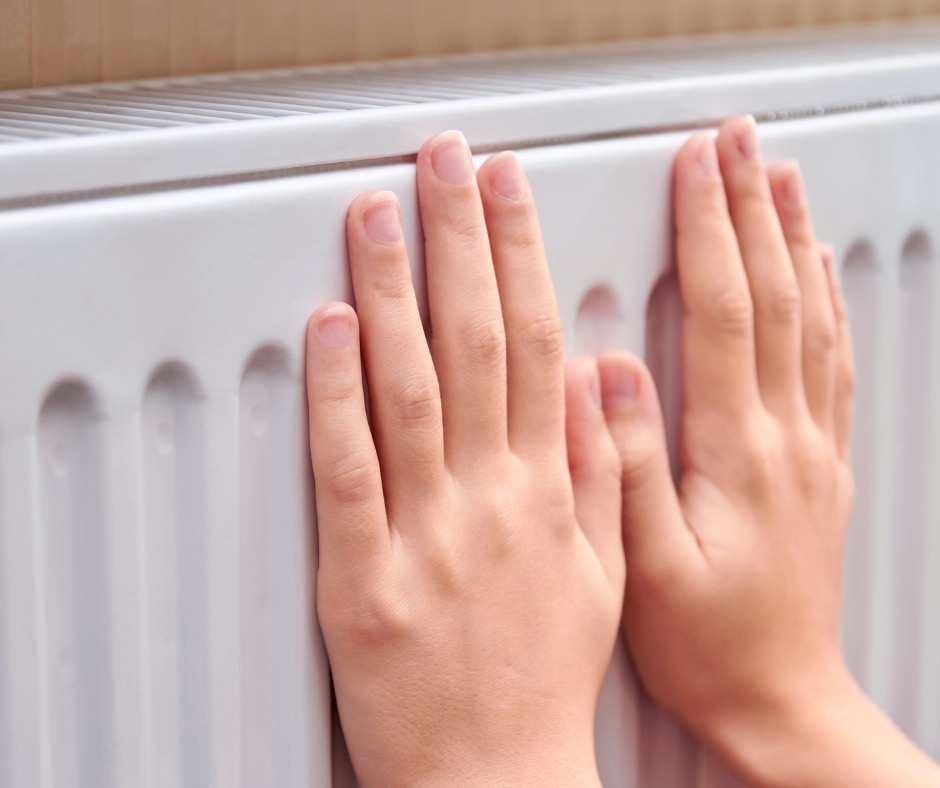
A radiator that's warm at the top and cold at the bottom usually means sludge: magnetite and rust that settle and block the flow. But a stuck valve, poor balancing or a tired pump can look exactly the same.
Cold at the top or the bottom?
- Cold at the top, warm at the bottom: usually trapped air. Bleed it.
- Warm at the top, cold at the bottom: usually sludge or poor circulation.
- Cold all over: check the valve is open and the pin on the TRV isn't stuck.
Signs it's the whole system
- Several radiators have cold spots
- The house takes longer to warm up
- The boiler is noisy or kettling
- Water from a bled radiator is dark
What a power flush costs
Our packages start at £521 + VAT for up to 8 radiators, up to £725 + VAT with a magnetic filter, inhibitor and a 5-year warranty. We check the cause first, so you only pay for a flush if it'll fix the problem.
Written by the Croston team. Reviewed by Wayne Gemson, founder and Gas Safe engineer.